If you own a small business in Europe, you've probably heard about the General Data Protection Regulation. Many entrepreneurs assume GDPR only applies to large corporations with thousands of customers. Others believe that having fewer than ten employees, or earning a modest annual revenue, means they're exempt.
These are common misconceptions — and unfortunately, they're wrong.
The reality is that GDPR applies to businesses of all sizes whenever they process personal data. Whether you're a freelance consultant, an online retailer, a local café with an online booking system, or a growing software startup, understanding your GDPR obligations is essential.
This guide explains who needs to comply, what counts as personal data, the most common myths, and the practical steps every small business should take.

What Is GDPR?
The General Data Protection Regulation is the European Union's privacy law, designed to give individuals greater control over their personal information. It sets the rules for how organisations collect, use, store, share, and protect personal data.
The regulation came into force on 25 May 2018 and applies across all EU Member States. It also applies to many organisations outside the EU that offer goods or services to individuals in Europe, or monitor their behaviour.
The goal is straightforward:
- Protect individuals' privacy
- Increase transparency
- Improve data security
- Hold organisations accountable for how they handle personal information
Does GDPR Apply to Small Businesses?
Yes. One of the biggest myths surrounding GDPR is that small businesses are automatically exempt. There is no exemption based solely on company size.
A sole trader, freelancer, family-owned business, or startup may all have GDPR obligations if they process personal data. If your business collects information about customers, employees, suppliers, website visitors, or newsletter subscribers, GDPR is likely to apply.
What Counts as Personal Data?
Personal data is any information that can identify a living person, directly or indirectly. Examples include:
- Name, email address, phone number, home address
- Customer ID, passport number, IP address
- Location data, vehicle registration
- Employee records, payroll information
- CCTV footage, cookie identifiers
Many business owners are surprised to learn that website analytics and cookies may also involve personal data.
Examples of Small Businesses Covered by GDPR
Almost every modern business processes personal data:
- Online shops — customer names, billing addresses, shipping details, payment information
- Restaurants — online reservations, loyalty programme data, delivery addresses, employee records
- Consultants — client contact details, contracts, invoices, meeting notes
- Healthcare professionals — patient records and appointments (with additional obligations, since health data is a special category)
- Hotels — passport details, booking information, payment records, guest preferences
Situations Where GDPR Applies
Your business likely falls under GDPR if you:
- Operate within the European Union, or offer products or services to EU residents
- Have a company website with a contact form
- Send newsletters or employ staff
- Store customer information or use online booking systems
- Process invoices containing personal information
- Use CRM software or maintain customer databases
If you answered yes to even one of these, GDPR probably applies to you.
Common GDPR Myths
Myth 1: My Business Is Too Small
False. Even a one-person business may need to comply.
Myth 2: I Only Have Email Addresses
Email addresses are personal data. If you collect them, GDPR applies.
Myth 3: I Don't Sell Data
Selling data is not required for GDPR to apply. Simply collecting or storing personal information is enough.
Myth 4: My Website Is Too Simple
Even a basic website may process personal data through contact forms, analytics, cookies, embedded videos, or newsletter forms.
Myth 5: GDPR Is Only About Websites
GDPR covers all personal data processing, including paper records, HR files, accounting records, CCTV, customer databases, and marketing systems.
What Does GDPR Require?
Compliance doesn't mean completing a checklist once — it requires an ongoing approach to privacy. Most small businesses should focus on five things:
Know What Data You Collect
Create an inventory of personal information. Ask: what data do we collect, why do we collect it, where is it stored, and who has access?
Have a Legal Basis
Every processing activity must have a lawful basis — consent, contract, legal obligation, legitimate interests, vital interests, or public task.
Be Transparent
Tell customers what information you collect, why you collect it, how long you keep it, who receives it, and how they can exercise their rights. This information usually appears in your privacy policy.

Keep Data Secure
Security measures may include strong passwords, multi-factor authentication, encryption, secure backups, staff training, software updates, and limited access controls.
Respect Individual Rights
Individuals have rights including the ability to access their data, correct inaccurate information, request deletion where applicable, restrict processing, receive data portability, and object to certain processing. Businesses need a clear procedure to respond to these requests.
What Happens If You Ignore GDPR?
Non-compliance can have serious consequences, including regulatory investigations, administrative fines, customer complaints, loss of business reputation, data breaches, legal claims, and loss of customer trust.
For many small businesses, reputational damage can be even more costly than the financial penalty itself.
Practical Steps to Become More Compliant
You don't need to solve everything in one day. Start with these practical actions.
Review Your Website
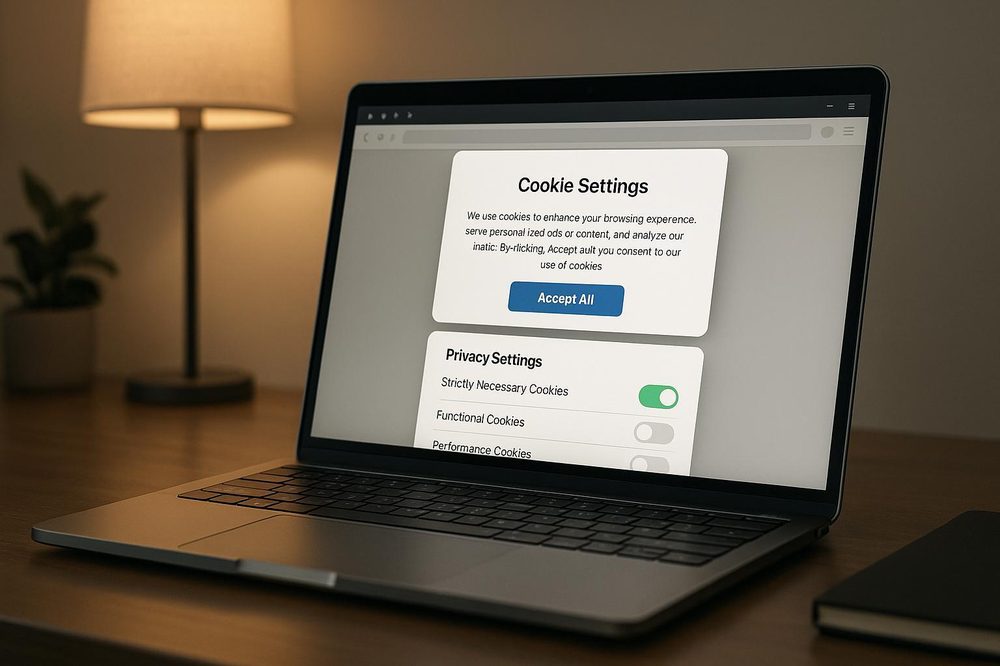
Check your privacy policy, cookie banner, contact forms, SSL certificate, and newsletter sign-up forms.
Organise Customer Data
Know where information is stored, who can access it, and how long it is retained.
Review Third-Party Services
Consider whether providers such as email marketing platforms, cloud storage, CRM systems, or accounting software process personal data on your behalf. Where appropriate, make sure Data Processing Agreements are in place.
Train Your Team
Even a small team should understand password security, phishing awareness, data handling procedures, and confidentiality. Human error remains one of the leading causes of data breaches.
Document Your Processes
Good documentation demonstrates accountability. Keep records of privacy notices, policies, processing activities where required, security measures, and your data breach procedure.
Frequently Asked Questions
Yes. The number of customers does not determine whether GDPR applies.
Yes. Freelancers and sole traders processing personal data generally have GDPR obligations.
No. Consent is only one lawful basis for processing. In many situations, processing may rely on a contract, legal obligation, or legitimate interest instead.
Generally, no. Personal data should only be retained for as long as necessary for the purpose it was collected, unless a legal obligation requires longer retention.
No. GDPR compliance is an ongoing process that should evolve as your business changes.
Final Thoughts
If your small business collects, stores, or uses personal information, GDPR is likely to apply — regardless of your company's size.
The good news is that compliance doesn't have to be overwhelming. By understanding your data, documenting your processes, being transparent with customers, and implementing appropriate security measures, you can significantly reduce risk while building trust.
Privacy is no longer just a legal requirement — it's increasingly a competitive advantage. Customers are paying more attention to which businesses respect and protect their personal information.
Whether you're just starting your compliance journey or reviewing your existing practices, taking action today will help your business become more resilient and prepared for the future.
You can run a free audit of your website right now using the tool at the top of this page. It checks 10 critical GDPR requirements in under 30 seconds and gives you a prioritised list of what to fix. If you want a human to review your privacy policy and cookie setup in plain language — that's exactly what GDPRGard does. Book a free consultation →
Also read:
- What Is GDPR and Does It Apply to Your Small Business?
- The 5 Most Common Cookie Banner Mistakes
- EU AI Act 2026: What SMBs Need to Know